

What is a Car Spoiler?
A car spoiler is an aerodynamic device attached to a vehicle, primarily designed to improve its stability and performance at high speeds. The purpose of a spoiler is to disrupt the airflow that interacts with the rear of the vehicle, reducing lift and enhancing traction on the road. By generating downforce, spoilers improve the connection between the tires and the surface, which can significantly enhance the driving experience, particularly during cornering or when accelerating.
In terms of design, car spoilers are available in various shapes and sizes, tailored to specific vehicle models and their intended use. For instance, on sports cars, you may find larger, more pronounced spoilers that not only serve a functional role but also contribute to the aesthetic appeal of the vehicle. Conversely, on everyday sedans, the spoilers are typically more subtle, providing a minor enhancement in aerodynamic efficiency without overwhelming the overall design.
The construction material of car spoilers can vary as well. Common materials include fiberglass, carbon fiber, and ABS plastic, each providing a different balance between weight, durability, and cost. Fiberglass is favored for its lightweight and moldable properties, whereas carbon fiber offers superior strength and lower weight, making it ideal for high-performance vehicles. ABS plastic, while heavier, is often used in factory-installed spoilers due to its affordability and ease of manufacture.
Ultimately, the design and functionality of car spoilers are essential components in modern automotive engineering. They not only augment a vehicle’s performance but also enhance its overall visual appeal. As such, understanding the various types and functions of spoilers can significantly inform vehicle selection for enthusiasts seeking both performance and style.
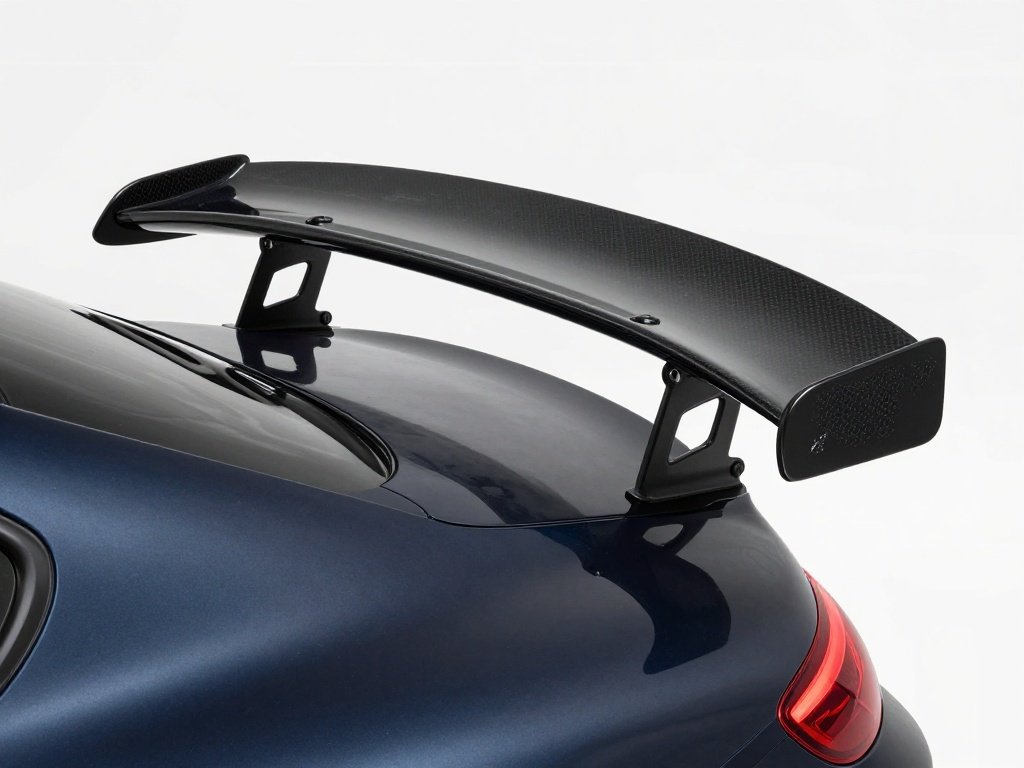
The Purpose of Car Spoilers
Car spoilers are critical components for enhancing both the performance and aesthetics of vehicles. Their primary function is to improve aerodynamics. By altering the airflow around the car, spoilers help reduce drag and increase efficiency. This aerodynamic improvement can be vital for high-performance vehicles, especially when maintaining stability at elevated speeds.
One of the key benefits of a spoiler is its ability to generate downforce. Downforce is the downward pressure created by the aerodynamic forces acting on the vehicle. When a car moves at speed, a spoiler redirects air pressure, forcing the vehicle down toward the road surface. This increase in grip can significantly enhance handling, allowing for better cornering capabilities and overall road performance.
Additionally, spoilers can contribute to fuel efficiency. With decreased drag and better aerodynamics, vehicles equipped with spoilers often experience improved fuel consumption. This is particularly noticeable during highway driving, where high speeds can lead to significant resistance without the aerodynamic benefits that spoilers provide.
While the functional aspects of car spoilers are often emphasized in performance vehicles, it is essential to recognize their aesthetic contributions. Spoilers come in various shapes and sizes, allowing car enthusiasts to customize the visual appearance of their vehicles. This versatility can cater to different tastes while still maintaining the practical benefits associated with more functional designs.
In summary, car spoilers serve multiple purposes, with their primary roles being aerodynamic enhancement, downforce generation, and improved fuel efficiency, along with their contribution to the vehicle’s overall appearance. Understanding these functions can help vehicle owners appreciate the significance of spoilers in both performance and aesthetics.
Types of Car Spoilers
Car spoilers are essential components that not only enhance the aesthetic appeal of vehicles but also improve their aerodynamic performance. There are several types of car spoilers available in the market, each designed for specific functional and stylistic purposes. Understanding these different types can help car enthusiasts choose the right spoiler for their vehicle.
One of the most common types of spoilers is the rear spoiler. This type is typically mounted on the trunk or rear area of a vehicle. Rear spoilers are designed to create downforce when a car is in motion, thereby improving traction. Vehicles such as the Subaru WRX and Ford Mustang frequently feature rear spoilers, showcasing their sporty design and performance capabilities.
Another type is the front spoiler, which is installed on the front bumper of the car. Front spoilers, also known as air dams, serve to redirect airflow around the vehicle, minimizing lift while enhancing stability at higher speeds. Popular examples of vehicles with front spoilers include the Chevrolet Corvette and Honda Civic Type R, highlighting their focus on performance and aesthetics.
The lip spoiler is a subtler option that attaches to the edge of the car’s trunk or bumper. Unlike more prominent spoilers, lip spoilers provide a slight aerodynamic advantage while maintaining a sleek look. They are often found on vehicles like the BMW M3 or Audi A4, which aim for a blend of performance and elegance.
Additionally, there are adjustable spoilers, which allow drivers to modify the angle of the spoiler for optimal aerodynamic performance. These types are typically seen in high-performance racing cars where fine-tuning aerodynamic properties is critical for competitive advantage.
In conclusion, understanding the various types of car spoilers can aid in making an informed choice when upgrading or customizing a vehicle. Whether prioritizing aesthetics or performance, there is a spoiler type to suit every driver’s needs.
Materials Used in Car Spoiler Construction
Car spoilers are crucial components in automotive design, serving not only aesthetic purposes but also enhancing performance through improved aerodynamics. The choice of material utilized in constructing these spoilers plays a significant role in their efficiency, durability, and overall performance. Common materials include plastic, fiberglass, and carbon fiber, each presenting distinct advantages and disadvantages.
Plastic is one of the most prevalent materials used in car spoiler manufacturing due to its cost-effectiveness and ease of production. Typically molded into shape, plastic spoilers are lightweight and can be finished in various colors, which allows for seamless integration with the vehicle’s design. However, while they are affordable and can withstand the elements, plastic lacks the superior stiffness and durability that some high-performance applications may require. Over time, exposure to UV light and various weather conditions can lead to fading and potential deformation.
Fiberglass is another popular choice for car spoilers, notable for its sturdiness and adaptability. This material can be molded into complex shapes, making it ideal for bespoke designs. Fiberglass spoilers are generally lighter than plastic ones, providing improved aerodynamics without a significant weight penalty. However, they require a protective finish, as they can be susceptible to chips and cracks without proper treatment. Additionally, the manufacturing process can be more labor-intensive, which often results in a higher cost compared to plastic options.
On the premium end, carbon fiber is favored for high-performance vehicles. Recognized for its exceptional strength-to-weight ratio, carbon fiber offers unmatched rigidity and lightweight properties, enabling increased speed and agility on the road. While these qualities render carbon fiber an attractive option for performance enthusiasts, the manufacturing costs can be prohibitive for the average consumer. Moreover, carbon fiber spoilers can be more susceptible to damage if they experience direct impact compared to other materials.
Each material has its unique benefits and drawbacks, making the choice highly contingent on the specific requirements of the vehicle and the preferences of the owner.
How Car Spoilers Affect Vehicle Performance
Car spoilers, often recognized for their aesthetic enhancement of vehicles, play a critical role in improving performance by impacting handling and stability. One of the primary mechanisms through which a spoiler influences a vehicle’s behavior is by altering airflow dynamics. When engineered correctly, spoilers help manage the airflow over a vehicle, thereby reducing aerodynamic drag and increasing downforce, which is crucial for maintaining grip, especially at higher speeds.
At lower speeds, the effect of a spoiler may be minimal. However, as speed increases, the benefits become increasingly significant. The downforce generated by the rear spoiler pushes the car toward the road, which can enhance traction. This improved traction is essential during cornering as it allows for better control and stability. Drivers may notice that vehicles equipped with spoilers can navigate sharp turns with greater precision compared to those without. This is particularly beneficial in performance cars designed for racing or spirited driving.
In addition to enhancing cornering capabilities, spoilers can contribute to improved straight-line stability. By generating downforce, they help counteract lift, which can occur at high speeds and result in reduced control. Drivers often report more confidence in their vehicles’ handling capabilities with spoilers in place, especially in adverse conditions such as wet or slippery roads. It is important to note, however, that not all spoilers are created equal; their design and placement greatly influence their effectiveness. A poorly designed spoiler may not provide the desired aerodynamic benefits and could adversely affect performance.
In conclusion, car spoilers significantly influence both handling and stability, especially at higher speeds. When appropriately designed and integrated, they can enhance a vehicle’s overall handling characteristics, making them an important consideration for enthusiasts and everyday drivers alike. Understanding the role of spoilers in vehicle dynamics can aid in making informed choices regarding modifications for performance enhancement.
Aesthetic Appeal of Car Spoilers
Car spoilers serve not only a functional purpose in enhancing vehicle performance but also significantly contribute to the aesthetic appeal of automobiles. These components are designed to improve aerodynamics by reducing drag and increasing stability, yet their visual effects often capture the attention of car enthusiasts and casual observers alike.
The sporty appearance imparted by a well-designed spoiler can transform ordinary vehicles into eye-catching machines. Car manufacturers and aftermarket tuners utilize various styles and designs of spoilers to create a unique identity for their vehicles. Whether it is a subtle lip spoiler or a more aggressive rear wing, these accessories are strategic in enhancing the overall silhouette of a car, providing a distinct edge.
Within the tuning and customization communities, car spoilers have gained immense popularity. Enthusiasts often view these additions as essential for achieving a personalized look, aligning with current trends in automotive styling. The customization options are vast, with various materials such as fiberglass, carbon fiber, or ABS plastic, allowing vehicle owners to select spoilers that not only match their style preferences but also complement vehicle color schemes effectively.
Moreover, the aesthetic advantages of spoilers go beyond mere looks; they symbolize a car’s performance capabilities. Many drivers associate sports cars with the presence of spoilers, leading to a psychological connection where having a spoiler represents speed and power. This blend of aesthetics and perceived performance has solidified the presence of spoilers in both everyday and luxury vehicles, making them a common feature in modern automotive design.
The appeal of car spoilers lies in their ability to enhance a vehicle’s visual dynamics while simultaneously acting as a reflection of the driver’s personality and automotive passion. As cars continue to evolve, manufacturers and enthusiasts alike will likely explore innovative designs, ensuring that spoilers remain a staple within the automotive aesthetic landscape.
Installing a Car Spoiler: Considerations and Tips
Installing a car spoiler can significantly enhance the aesthetic appeal of a vehicle, while also contributing to improved aerodynamics and handling. Whether you’re a car enthusiast looking to modify your vehicle or someone interested in a simple upgrade, understanding the installation process is crucial. This guide will provide insights into the necessary tools and troubleshooting for common challenges associated with car spoiler installation.
Before starting, it’s important to gather the right tools. Typically, you will need a power drill, a set of socket wrenches, a screwdriver, and some adhesive tape. Additionally, having a clean workspace and protective gear, such as gloves and safety goggles, is advisable to ensure safety during the process. Depending on the type of spoiler you choose, the installation instructions may vary, but most require similar basic steps.
The first step in installing a car spoiler involves preparing the vehicle by cleaning the trunk or rear panel where the spoiler will be mounted. Once the area is clean, you can proceed to mark the positions for the mounting holes. It is essential to double-check measurements to ensure the spoiler is centered and placed correctly. After marking, drill the holes as per your measurements, taking care not to damage the vehicle’s surface beneath.
Next, attach the spoiler using the hardware provided by the manufacturer, typically a combination of screws and adhesive. Tightening the screws securely is critical to prevent the spoiler from shifting or detaching during use. In some cases, especially for larger spoilers, it may be prudent to add a few additional safety measures, like using additional adhesive or support brackets.
One significant consideration is whether to opt for a professional installation or take the DIY approach. Professional installation ensures that the job will be done correctly, reducing the risk of mistakes that can result in aesthetic or functional issues. However, for those who enjoy working on their vehicle, installing a spoiler can be a fulfilling project, provided they follow safety protocols and manufacturer instructions.
In conclusion, whether you choose to install a car spoiler yourself or seek professional help, being aware of the necessary tools, processes, and potential challenges can significantly smoothen the installation experience. By carefully planning each step, you can enhance both the appearance and functionality of your vehicle with minimal hassle.
The Popularity of Spoilers in Motorsports
Spoilers have become an essential feature in the design and performance of racing vehicles across various motorsport disciplines. Their primary function is to manage airflow around the vehicle, thereby increasing downforce and reducing lift, which significantly enhances stability and traction at high speeds. In professional racing, where every fraction of a second counts, the strategic integration of spoilers offers teams a competitive advantage.
In disciplines such as Formula 1, NASCAR, and Touring Car racing, teams meticulously design and test spoiler configurations to suit specific track conditions and vehicle aerodynamics. For instance, in Formula 1, the use of adjustable rear wings allows drivers to customize airflow dynamics depending on whether they are navigating tight corners or accelerating on straights. This ability to adapt in real-time is crucial for maximizing lap times and overall performance.
NASCAR teams, on the other hand, leverage spoilers to create a balance between speed and stability on oval tracks. The design of spoilers in this arena is influenced by factors such as vehicle weight and the need for efficient draft management. Spoilers are tailored to enhance grip while allowing drivers to maintain control during high-speed turns, demonstrating their importance in achieving optimal handling characteristics.
Moreover, spoilers also contribute to the aesthetic appeal of race cars. Many teams utilize vibrant color schemes and unique shapes to enhance the visual impact of their vehicles, drawing attention from fans and enhancing brand recognition. The combination of performance and style underscores the dual role that spoilers play in motorsports, making them a focal point of both engineering and marketing strategies.
Overall, the popularity of spoilers in motorsports is a testament to their significant role in advancing vehicle performance and aesthetic appeal. Teams continuously explore innovative designs and materials, pushing the boundaries of what is possible in racing technology while ensuring that cars are not only fast but visually captivating as well.
Future Trends in Car Spoiler Design and Technology
As the automotive industry evolves, car spoilers are becoming increasingly sophisticated, integrating innovative technologies that not only enhance performance but also heighten aesthetic appeal. One of the most notable trends in spoiler design is the advent of active spoilers, which adjust automatically based on driving conditions. These dynamic components are engineered to provide optimal aerodynamic efficiency, improving downforce at high speeds while retracting when not needed, thereby reducing drag and enhancing fuel efficiency.
Active spoilers utilize sensors to evaluate various parameters, including speed, wind direction, and even road conditions. This level of adaptability signifies a significant advancement in automotive aerodynamics, allowing vehicles to respond in real-time to their environment. Furthermore, such technologies can enhance safety by improving grip during challenging driving situations, thus providing a more stable driving experience.
In addition to active technology, we are witnessing a surge in the use of lightweight materials in spoiler construction. Manufacturers are increasingly adopting carbon fiber and other composites, which not only reduce weight but also improve strength and durability. This shift not only contributes to better performance but is also aligned with the global push for more sustainable vehicle production practices.
Moreover, the integration of electronic systems is set to transform spoiler design further. Future developments may include spoilers that communicate with other vehicular systems, optimizing not just vehicle performance but also overall energy efficiency. For instance, spoilers could potentially work in tandem with electric motors to enhance aerodynamic performance when driving in hybrid or electric vehicles.
As we look to the future, it is clear that the role of spoilers will continue to evolve, becoming standard rather than optional features. With ongoing advancements in technology and materials science, the potential for innovative designs is immense. Enthusiasts and manufacturers alike are poised to explore these developments, ensuring that car spoilers will remain a critical aspect of automotive engineering integrating functionality with stunning aesthetics.